


New Condo Financing Rules: What Buyers and Sellers Need to Know
Buying a condo has never been exactly the same as buying a single-family home. A buyer is not just purchasing a unit. They are buying into a shared building, shared finances, shared insurance, and shared risk.
That shared risk is now getting more attention from lenders.
Over the past few years, financing rules for condos have become stricter. Mortgage lenders, investors, and government-backed loan programs are asking harder questions about building safety, association budgets, insurance coverage, reserves, special assessments, and deferred maintenance. For buyers, that can mean a loan approval is more fragile than expected. For sellers, it can mean a willing buyer may still be unable to close.
The result is a condo market where the condition of the entire building can matter almost as much as the buyer’s credit score.
This article is informational only and is not financial, legal, or tax advice. Buyers and sellers should speak with qualified mortgage, real estate, insurance, and legal professionals before making decisions.
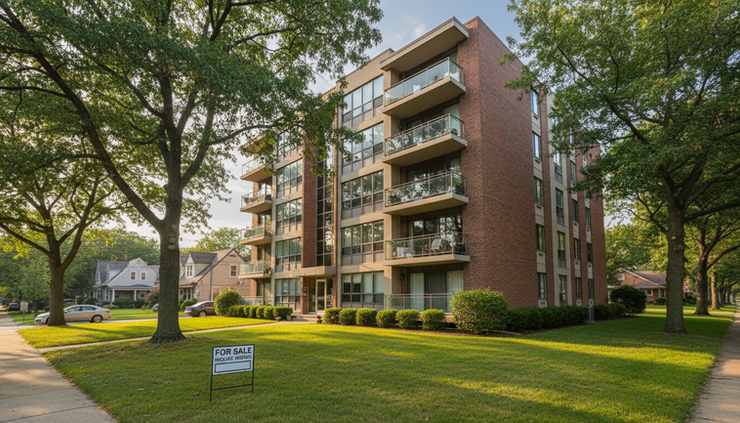
What changed with condo financing rules
The biggest change is not that lenders suddenly dislike condos. It is that they now review condo projects more closely before approving a loan on an individual unit.
A lender may approve a buyer personally, then still reject the loan because the condo association or building does not meet project standards. This is where many buyers and sellers get caught off guard.
In simple terms, the lender is asking two questions:
Can the buyer afford the loan?
Is the condo project acceptable collateral?
That second question has become harder to answer.
Lenders are asking more about building condition
Condo buildings need ongoing repairs. Roofs age. Elevators wear out. Balconies need inspections. Plumbing stacks fail. Parking structures crack. None of that is unusual.
What has changed is the level of lender concern around deferred maintenance. If a building has postponed major repairs, has unresolved safety issues, or faces large upcoming work, the lender may view the project as higher risk.
A condo project may face extra scrutiny if there are:
Unresolved structural or safety concerns
Major repairs that have been delayed
Large special assessments under discussion
Critical building systems near the end of their useful life
Inspection reports that raise serious questions
Inadequate plans to fund necessary work
This does not mean every older building is a problem. Many older condos are well maintained and financially sound. The issue is documentation. Lenders want proof that the association understands the building’s needs and has a credible plan to pay for them.
Reserve funds matter more
A condo association’s reserve fund is money set aside for future repairs and replacements. Think roofs, siding, elevators, mechanical systems, pavement, and other big-ticket items.
When reserves are thin, the association may need to raise monthly dues or impose a special assessment. That creates risk for owners, buyers, and lenders.
Recent lending reviews often focus more closely on whether the association is funding reserves, whether a reserve study exists, and whether the budget reflects real maintenance needs. A building with low dues may look attractive at first, but low dues can be a warning sign if they do not cover long-term costs.
Insurance coverage is under the microscope
Insurance has also become a bigger part of condo financing. Many associations have faced rising premiums, higher deductibles, or more limited coverage. In areas exposed to hurricanes, wildfires, flooding, or other natural risks, this issue can become even more serious.
Lenders may review whether the association carries acceptable master insurance coverage. They may also look at deductibles and gaps that could expose owners to large costs after a claim.
For buyers, this means a monthly payment estimate can change quickly. For sellers, it means a condo that looked financeable last year may face harder questions today.
Why buyers may have a harder time getting approved
A common buyer mistake is assuming that a mortgage preapproval means the purchase is safe. With condos, preapproval is only part of the picture.
A buyer can have strong income, excellent credit, a solid down payment, and still run into trouble if the condo project fails lender review.

The loan now depends on more documents
When buying a condo, the lender may request a condo questionnaire, association budget, insurance information, meeting minutes, litigation details, reserve information, and records about repairs or assessments.
If the association responds slowly, the closing can stall. If the information is incomplete, the lender may ask follow-up questions. If the answers reveal a serious issue, the lender may deny the project.
This can create a frustrating situation. The buyer may feel fully qualified, but the loan cannot move forward until the condo association passes review.
Some loan types can be more restrictive
Condo financing rules vary by loan program. Conventional loans, FHA loans, VA loans, and portfolio loans can all treat condo projects differently.
For example, certain government-backed loans may require the condo project to meet program-specific approval standards. Some buildings may be approved for one type of financing but not another. Some lenders may offer options that others do not.
That means buyers should avoid assuming that one lender’s answer is the final answer. A condo that creates problems with one loan program might work with another, but that takes time. It also may require a larger down payment, a higher rate, or a different approval path.
Monthly costs can change the debt picture
Even when the project is acceptable, condo costs can affect the buyer’s ability to qualify.
Lenders count monthly association dues when calculating the buyer’s debt-to-income ratio. If dues are high, the buyer may qualify for a smaller loan. If a special assessment is active or pending, the lender may count that cost too.
A buyer who qualifies comfortably for a single-family home at one price point may qualify for less when buying a condo with a high monthly fee.
Key costs that can affect approval include:
Monthly HOA or condo dues
Special assessments
Master policy insurance costs
Required walls-in insurance
Parking or storage fees
Utility charges included through the association
Upcoming dues increases
The risk is not only that the buyer pays more after closing. The risk is that the loan no longer fits the lender’s approval formula.
Why sellers may face new obstacles
Sellers often focus on the unit itself. Fresh paint, clean floors, good photos, and the right price still matter. Yet under stricter condo financing rules, the building’s finances and paperwork can become deal-makers or deal-breakers.
A beautiful unit in a poorly documented association can be harder to sell than a modest unit in a well-run building.
A buyer’s loan can fail late in the process
One of the hardest parts for sellers is timing. Condo project issues may not appear until the buyer is already under contract.
The seller may accept an offer, go through inspection, negotiate repairs, and prepare to move. Then the lender reviews the condo questionnaire and finds a problem. If the issue cannot be resolved, the buyer may not be able to obtain financing.
That can send the property back to market with lost time and added stress.
Common late-stage problems include:
Missing or incomplete condo questionnaires
Unclear reserve funding
Pending litigation involving the association
Large unpaid assessments
Insurance coverage that does not meet lender standards
Too many units owned by one investor
High delinquency rates among owners
Major repairs without a clear funding plan
Not every issue is fatal. Some can be explained or cured. The problem is that lenders work under guidelines, and they may have limited flexibility.
The buyer pool may shrink
If a property is difficult to finance, fewer buyers can compete for it. Cash buyers may still be interested, but they often expect a discount because they know financing is limited.
Some buyers may also walk away from a condo with unclear building issues, even if they technically can get a loan. They may worry about future assessments, rising dues, resale value, or repair disruptions.
This puts sellers in a difficult position. They are not just selling their unit. They are also selling confidence in the building.
Pricing may need a reality check
When financing becomes harder, pricing strategy becomes more sensitive.
A seller may look at past sales and decide their unit should sell for a similar amount. But if lending standards have tightened since those sales closed, old comparable sales may not tell the full story.
A realistic price should consider:
How easy the unit is to finance
Whether recent sales were cash or financed
Current association dues
Known repair projects
Special assessments
Insurance costs
Buyer concerns in similar buildings
A strong price is not always the highest price. It is the price that attracts qualified buyers who can actually close.

The condo documents now carry more weight
The condo resale package used to feel like paperwork that buyers reviewed after they already liked the unit. Now, those documents can be central to the transaction.
Buyers, sellers, and agents should treat condo documents as early decision tools.
Documents buyers should ask about early
Before getting too attached to a condo, buyers should ask how quickly key records can be obtained and reviewed.
Useful documents may include:
Current association budget
Current monthly dues and fee schedule
Reserve study, if available
Master insurance policy summary
Recent board meeting minutes
Rules and bylaws
Information about pending or approved assessments
Details on litigation, if any
Records about major repairs or planned projects
Completed lender condo questionnaire
The goal is not to become a building engineer or attorney. The goal is to spot issues early enough to make informed choices.
If something looks concerning, buyers can ask their lender, real estate agent, attorney, or other qualified professional for guidance before spending more money on inspections, appraisals, and loan processing.
Sellers should prepare before listing
Sellers can reduce surprises by gathering documents before the unit hits the market. If the association is slow to respond, starting early can save a contract later.
A seller should know the answers to basic questions:
Are dues expected to increase soon?
Is there a current or pending special assessment?
Are major repairs planned?
Is the building involved in litigation?
Does the association have adequate insurance?
Has the building had problems with financing approvals?
Are buyers in the building closing with conventional, FHA, VA, portfolio, or cash financing?
Sellers do not need to solve every building issue themselves. They do need to understand what a buyer and lender are likely to see.
A listing that discloses known issues clearly may attract more serious buyers. Surprises create fear. Clear information can help preserve trust.
How buyers can navigate the new rules
Stricter rules do not mean buyers should avoid condos. Condos can still be a good fit for many people. They may offer lower maintenance responsibility, better locations, amenities, and a different lifestyle than single-family homes.
The key is to shop with a more careful process.
Work with a lender who understands condos
Not every lender handles condo transactions with the same skill. Buyers should ask direct questions before making offers.
Good questions include:
How early do you review the condo project?
Do you have experience with this building or this type of property?
Which loan programs might fit if the project has issues?
What documents will you need from the association?
How long does condo project review usually take?
What issues would make the loan impossible?
The best lender is not just the one with a low quoted rate. For condo purchases, execution matters. A low rate does not help if the lender cannot approve the project.
Add financing protection to the contract
Contract terms vary by state and transaction, so buyers should get local guidance. In general, buyers should pay close attention to financing contingencies and condo document review periods.
If the lender later rejects the project, the buyer needs to know what rights they have. Can they cancel? Can they keep their earnest money? How much time do they have?
These questions should be answered before signing, not after a loan problem appears.
Look beyond the monthly payment
A condo’s listed price is only part of the cost. Buyers should also review dues, reserves, insurance, and building condition.
A unit with a slightly lower price but weak reserves may not be cheaper over time. A unit with higher dues may be more stable if the association is properly funding repairs.
Buyers should look for signs of good management, such as:
Regular maintenance
Clear budgets
Reasonable reserves
Transparent communication
Completed repair projects
Realistic planning for future costs
A healthy association does not need to be perfect. It should be organized, honest, and prepared.
How sellers can protect the deal
Sellers cannot control every part of condo financing. They can control how prepared they are.

Gather documents before accepting offers
A seller who can quickly provide condo documents gives the buyer and lender a better chance of moving efficiently.
This does not guarantee approval, but it reduces delays. It also helps identify financing concerns before the seller loses weeks under contract.
If possible, sellers should ask the association or management company how long it takes to complete lender questionnaires. Some associations charge fees. Some require specific forms. Some take longer than expected.
Ask about the buyer’s financing
The highest offer is not always the strongest offer. A financed buyer may still be a good buyer, but the seller should understand the loan type and the lender’s condo review process.
Questions the listing agent may ask include:
Is the buyer using conventional, FHA, VA, or another loan type?
Has the lender reviewed the condo project yet?
Does the lender have the condo questionnaire?
Is the buyer prepared if dues, insurance, or assessments affect qualification?
Does the offer include enough time for project review?
A clean offer from a buyer whose lender understands condo rules may be safer than a slightly higher offer with uncertain financing.
Be upfront about known issues
Trying to hide a special assessment or major repair concern rarely helps. These issues often surface during document review. When they show up late, trust drops and deals fall apart.
Clear disclosures can help attract buyers who are comfortable with the situation. Some buyers may accept a special assessment if they understand the scope, cost, and benefit. For example, a roof assessment may feel less alarming if the project is already approved, funded, and scheduled.
Uncertainty is often worse than bad news.
A practical checklist for both sides
The New Condo Financing Rules: What Buyers and Sellers Need to Know come down to one central idea. The building matters.
Use this checklist to stay ahead of problems.
Buyers should do this | Sellers should do this |
Get a lender with condo experience before touring seriously | Gather association documents before listing |
Ask whether the building has known financing issues | Ask the association about questionnaire timing |
Review dues, reserves, insurance, and assessments early | Understand special assessments and repair plans |
Keep financing and document review protections in mind | Be ready to explain known building issues clearly |
Compare loan options if one program does not work | Weigh offer strength, not just offer price |
Budget for possible dues increases | Price with financing limits in mind |
The strongest condo transactions now tend to share a pattern. The buyer asks better questions early. The seller prepares documents early. The lender reviews the project early. Everyone treats the association as part of the deal, not an afterthought.
The bottom line for today’s condo market
Stricter condo financing rules have made the process more complicated, but not impossible. Buyers can still secure loans. Sellers can still close successfully. The difference is that both sides need more preparation than they may expect.
For buyers, the main lesson is simple. A personal mortgage approval is not enough. The condo building must also qualify.
For sellers, the lesson is just as clear. A marketable condo is not only clean, updated, and well priced. It also needs documents, financial stability, and a path through lender review.
The best next step is early homework. Ask for the documents. Talk to the lender. Understand the association. Confirm the insurance. Look at reserves. Treat possible assessments as real costs, not minor details.
Condo deals now reward preparation. The sooner buyers and sellers understand the building behind the unit, the better chance they have of reaching the closing table.


Comments